Carrier screening is a type of genetic testing performed on people who display no symptoms of a genetic disorder but may be at risk for passing the defective gene to their children. The aim of screening (or carrier testing) is to identify carriers of genetic disorders in order to assess the risk of a couple of having a child with the disease. Ideally it should be done before pregnancy.
A simple blood test can confirm the carrier status of an individual for beta thalassaemia. Information can be provided to the families regarding the lifelong implications of the disease including the emotional, psychological, physical and financial burdens. The family is also educated about the benefits of planning the future marriage of the child with a non-carrier individual for a healthier and happier life. It is important to note that being a carrier does NOT mean that a person cannot marry.
 |
 |
Extended Family Screening
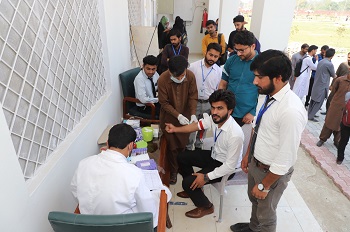
Screening the family members of an affected individual is called targeted screening. In communities where consanguineous marriage is common, a carrier screening approach targeting the extended family is useful, because it produces a high yield of carriers and couples at risk.
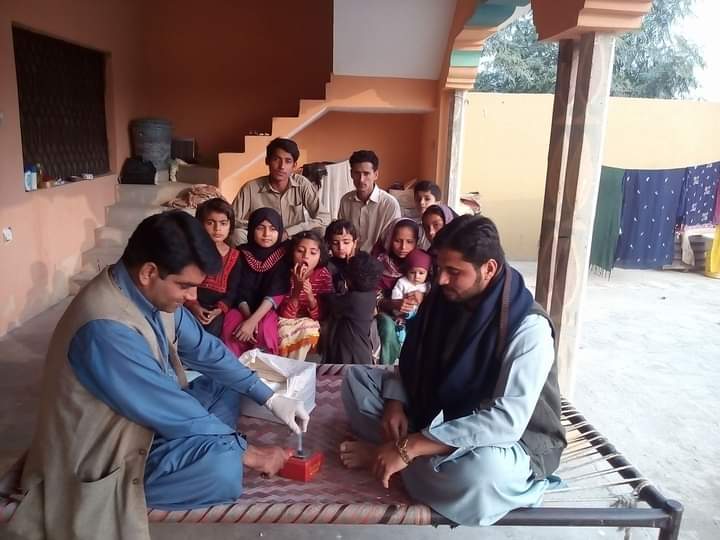
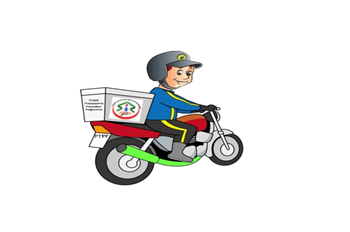
This approach also overcomes problems such as a weak healthcare infrastructure and a low level of literacy because the information is communicated directly to families with affected children who are frequently visiting the treatment centers. Although public health sector has a well elaborated network of primary health services in the rural areas of Punjab, still effective information about prevention of genetic disorders is not available. There is a need to introduce a non-conventional and an innovative programme for providing better prevention services. The institute is working on a community outreach component; in each district, there are mobile field officer(s), who provide screening and prevention services at the doorsteps of the people.
Therefore, you can have your entire family screened for thalassaemia to find out whether there are any carrier members in the family who may transfer the mutated gene to their children.
How is it done?
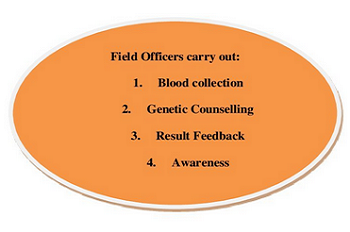
Field Officer makes an appointment with all the family members. A pedigree is drawn with contact details and blood samples are taken and sent to the respective regional laboratory. The results are sent to the field officer who confidentially delivers the reports to the head of each sub family. In addition, the Field Officers again provide genetic counselling, which helps in interpretation of results and options available to the family.
 |
 |
Pre-Marital and Post-Marital Carrier Screening
Pre-marital screening is a test for individuals planning to marry and identifies common genetic conditions like thalassaemia. Pre-marital and general screening is the most effective method to identify the carriers from the general population and helps in the prevention of thalassaemia in the province. The pre-marital and general health screening program helps in ensuring that the individuals receive effective genetic counseling, diagnostic services and appropriate advice before marriage.
Post-marital screening is offered to couples after marriage and before birth of a child to adopt a better option in getting a healthy child.